
Campfire Coffee: Moka Pot Safety Tips
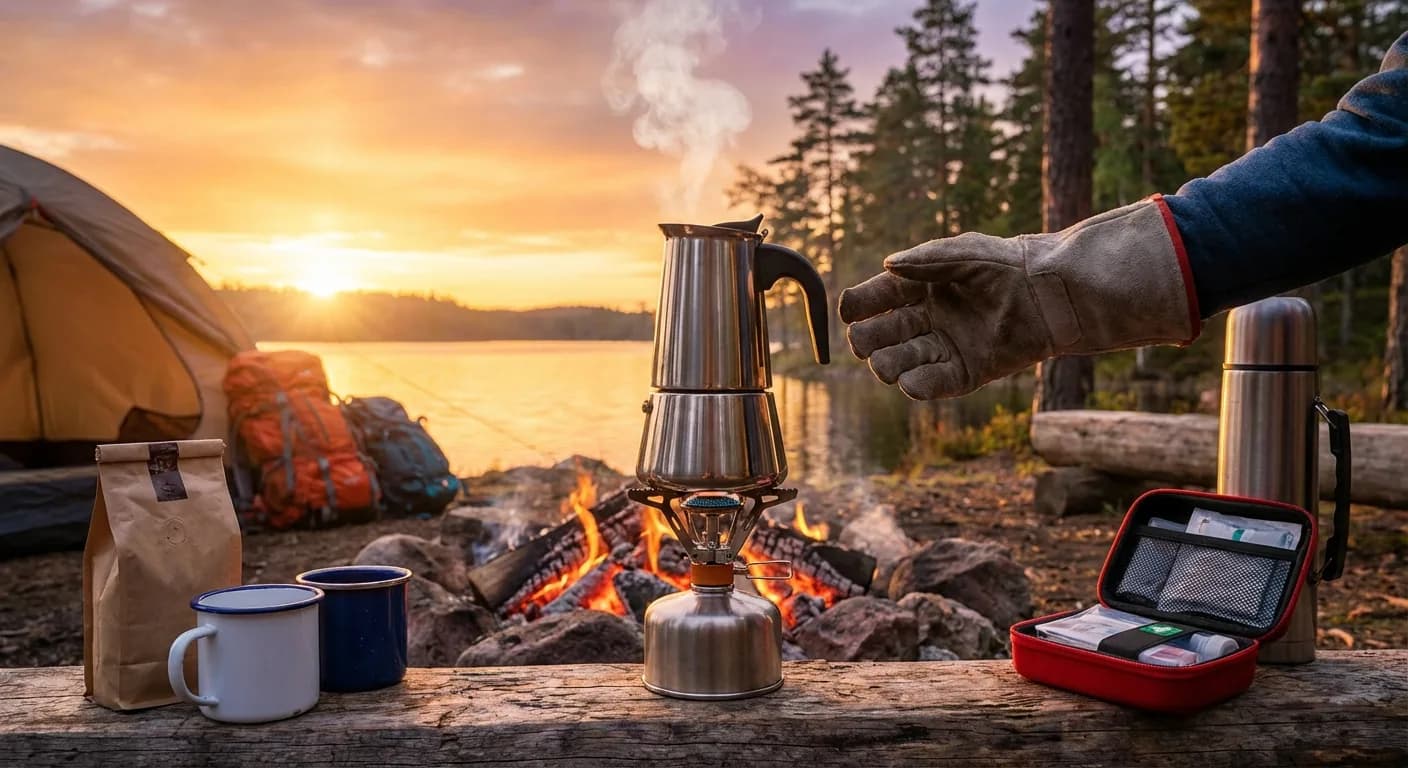
Table of Contents
- Understanding the Risks: Moka Pots and Open Flames
- Choosing the Right Material: Aluminum vs. Stainless Steel
- Safety First: Managing Pressure and Heat
- The Setup: Proper Placement on the Grill or Grate
- Step-by-Step: Brewing Campfire Moka Pot Coffee
- Common Mistakes and How to Avoid Them
- Maintenance and Care in the Backcountry
- Frequently Asked Questions
Understanding the Risks: Moka Pots and Open Flames
Brewing coffee with a Moka pot on a campfire is one of the most rewarding ways to start a morning in the wilderness, but it comes with a unique set of challenges that differ significantly from a controlled kitchen environment. A Moka pot is essentially a pressurized steam engine. When you place this vessel over an unpredictable heat source like a campfire, the variables change instantly. Unlike a gas stove where you can flick a dial to "low," a campfire can reach temperatures exceeding 1,000°F (537°C) in the coal bed, which is far beyond what a standard Moka pot is designed to handle.
The primary concern when using a moka pot on campfire setups is the lack of temperature regulation. Excessive heat can lead to a "thermal runaway" where the internal pressure builds faster than the safety valve can vent it. While modern Moka pots are equipped with safety valves, these are last-resort mechanical failures designed to prevent the pot from exploding. Relying on them as your primary heat gauge is dangerous. Furthermore, the intense radiant heat from a fire can quickly degrade the rubber or silicone gaskets that create the airtight seal, leading to leaks or, worse, a loss of pressure that prevents the coffee from flowing upward.
Beyond the pressure risks, there is the physical safety of the user to consider. Campfires are notoriously unstable surfaces. A Moka pot has a relatively small base and a high center of gravity, especially when filled with water. Placing it directly on a log or an uneven rock is a recipe for a scalding spill. If the pot tips over into the fire, you face the risk of steam burns or even flying embers. Understanding these risks isn't meant to discourage you, but rather to prepare you to respect the physics of the brew. With the right technique, you can mitigate these hazards and enjoy a cafe-quality espresso-style coffee under the stars.
Choosing the Right Material: Aluminum vs. Stainless Steel
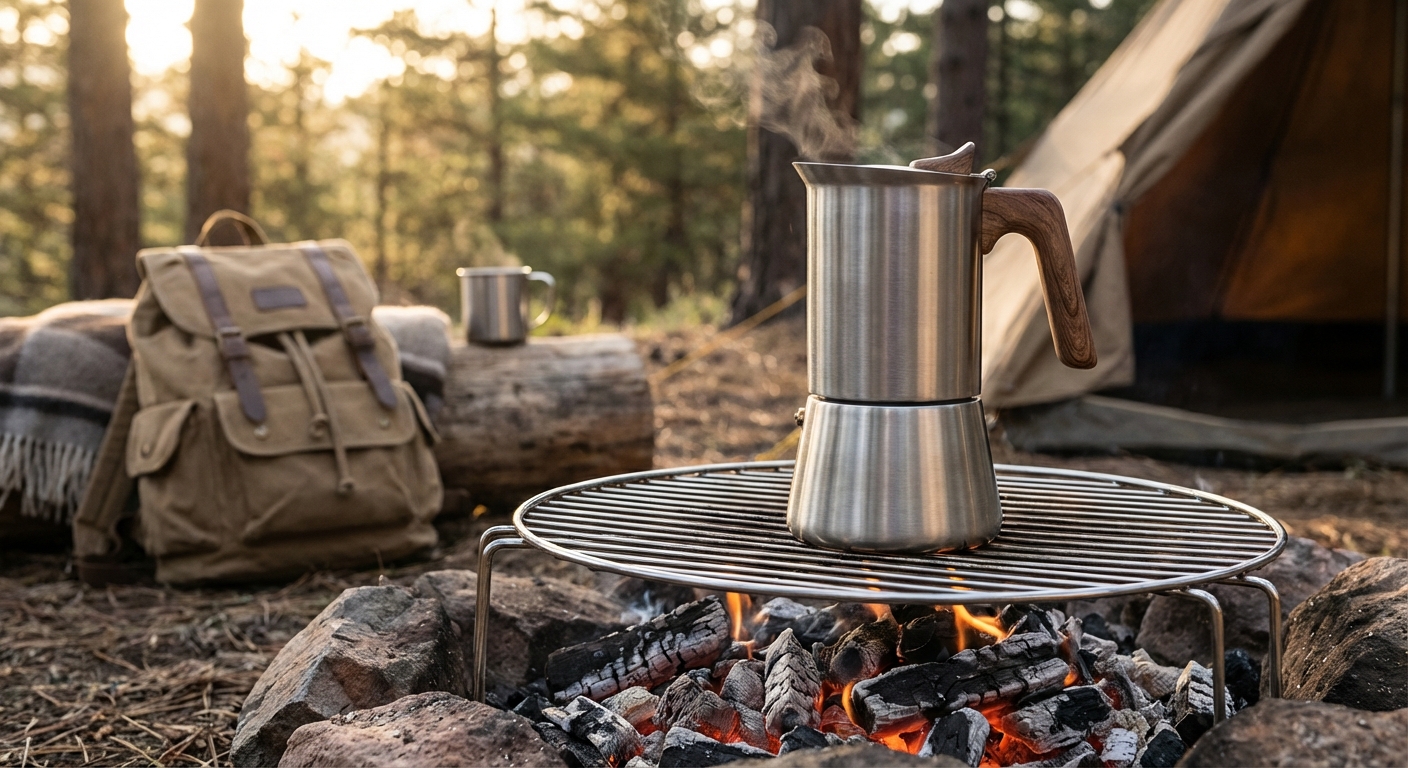
When it comes to the "moka pot on campfire" debate, the material of your pot is the most critical decision you will make. Traditionally, Moka pots like the iconic Bialetti Moka Express are made of food-grade aluminum. Aluminum is an excellent conductor of heat, which means it warms up quickly and distributes that heat evenly across the water chamber. However, aluminum has a lower melting point than steel and is more prone to warping if placed in a "hot spot" of a fire. If you choose aluminum for camping, you must be extremely vigilant about heat management to prevent damaging the metal.
Stainless steel Moka pots are generally considered the superior choice for off-grid and campfire use. Stainless steel is much more rugged and resistant to the corrosive effects of outdoor elements. More importantly, it can withstand higher temperatures without warping. Steel also retains heat longer than aluminum, which can be a double-edged sword; it stays hot for your second cup, but it also takes longer to cool down before you can safely disassemble and clean it. For those who frequently brew over open flames, the durability of a steel pot often outweighs the lightweight benefits of aluminum.
Regardless of the metal, you must pay attention to the handle. Most standard Moka pots feature a plastic or Bakelite handle. These materials will melt or become brittle when exposed to the direct licking flames of a campfire. If you are using a pot with a plastic handle, you must position it so the handle is facing away from the direct heat source, or better yet, look for a model specifically designed for outdoor use with a metal handle or a heat-resistant coating. Some nomads even wrap their handles in heavy-duty aluminum foil as a temporary heat shield, though this is not a permanent solution.
{{PRODUCT_CARD:B00004RFRU}}
I recommend the Bialetti Moka Express for campers who are weight-conscious and moving frequently. This is the gold standard of Moka pots, and its octagonal shape isn't just for aesthetics; it helps diffuse heat efficiently. It is best for the solo backpacker or the minimalist nomad who understands how to manage a small flame. The aluminum construction allows for a very fast brew time, which is essential when you're trying to conserve fuel or catch the sunrise.
The standout feature is the patented safety valve, which is incredibly reliable and easy to clean—a must-have when you're far from a repair shop. However, the main drawback is the plastic handle. When using this over a campfire, you must be incredibly careful not to let the flames wrap around the side of the pot, or you will end up with a puddle of melted plastic in your fire pit. Compared to stainless steel alternatives, it requires more "babysitting" during the brewing process, but the flavor profile it produces is classic and unmatched.
{{/PRODUCT_CARD}}
Safety First: Managing Pressure and Heat
The secret to a safe campfire brew is heat control. You should never place your Moka pot directly into the center of a roaring flame. Instead, you want to utilize the "two-zone" fire method. Create a bed of hot coals on one side of your fire pit and keep the active flames on the other. By placing your pot over the coals rather than the flames, you get a much more consistent, gentle heat. This prevents the water from boiling too violently, which can lead to "channeling" in the coffee grounds and a bitter, burnt taste.
Another critical safety tip is the "pre-boil" method. By heating your water in a separate kettle or pot before pouring it into the Moka pot base, you significantly reduce the amount of time the Moka pot needs to spend on the fire. This protects the internal gasket and the external handle from prolonged heat exposure. It also results in a better-tasting cup of coffee, as the coffee grounds aren't being "baked" inside the metal chamber while the water slowly comes to a boil. When you use pre-boiled water, the coffee starts flowing within a minute or two of hitting the heat.
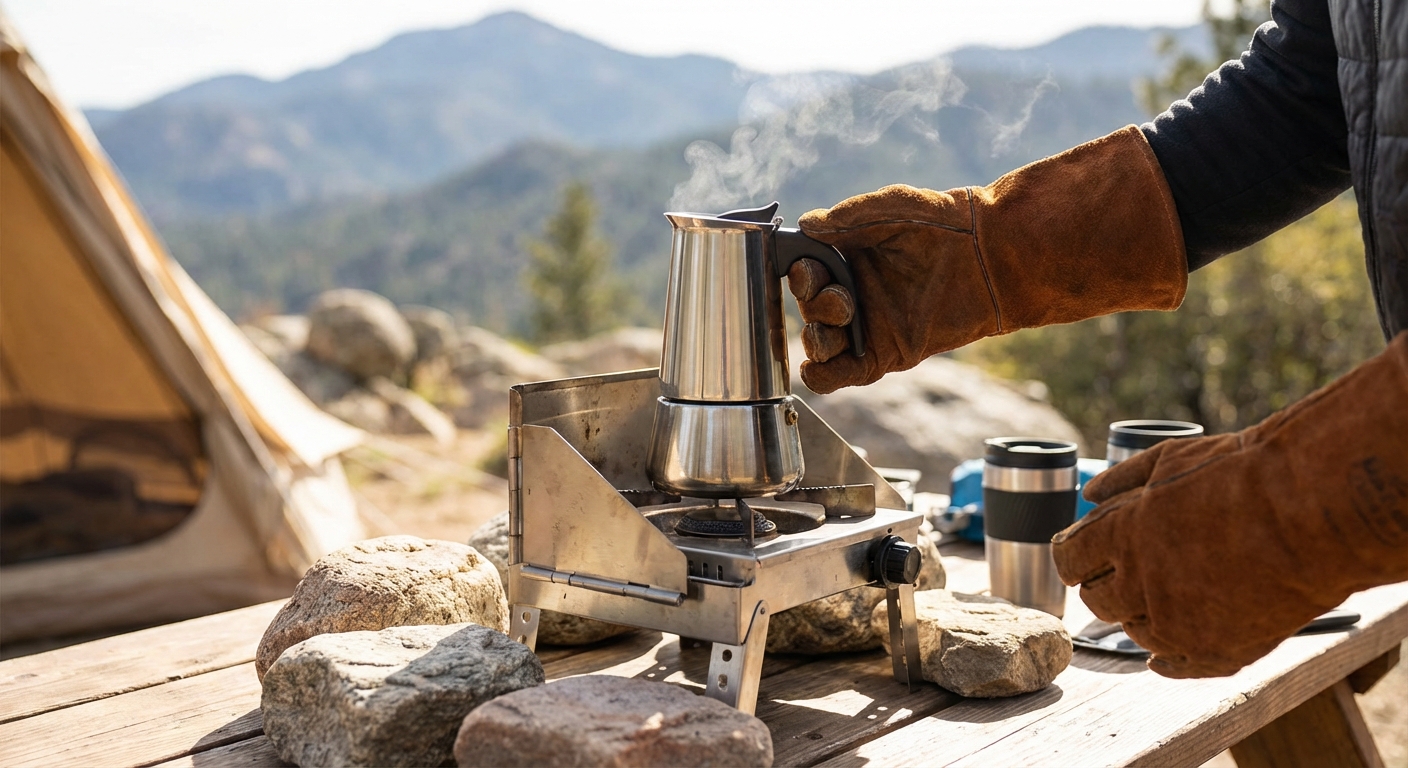
Always keep a pair of heat-resistant gloves or a thick rag nearby. Because the entire body of the Moka pot is metal, it will become incredibly hot. In a kitchen, the handle usually stays cool enough to touch, but over a campfire, the ambient heat can make even the handle dangerous. Never attempt to move or open the pot with your bare hands. Furthermore, ensure the safety valve is pointing away from you. In the rare event that the valve needs to release pressure, it will emit a jet of scalding steam. You do not want that steam directed toward your face or hands.
The Setup: Proper Placement on the Grill or Grate
Stability is the most overlooked aspect of Moka pot safety. These pots are narrow and can easily tip over if the grate is uneven or if a log shifts during the burn. If your campsite has a built-in fire ring with a heavy grate, ensure it is level before you start. If you are "wild camping," invest in a small, portable folding grill. This provides a flat, stable surface that keeps the pot at a safe distance from the erratic movement of the wood.
Using a Heat Diffuser
If you find that your campfire is simply too hot, a heat diffuser can be a lifesaver. This is a simple flat metal plate that sits between the flame and the pot. It helps spread the heat evenly across the bottom of the Moka pot, preventing hot spots that can scorch the coffee or damage the metal. For nomads, a small cast-iron skillet can serve as an improvised heat diffuser. Simply place the skillet on the grate and set the Moka pot inside the skillet. This adds a layer of thermal mass that stabilizes the temperature beautifully.
Wind Protection
Wind is the enemy of a consistent campfire brew. A strong gust can blow the heat away from your pot, extending the brew time, or it can whip the flames up the side of the pot toward the handle. Use a folding aluminum wind guard or position your setup behind a natural windbreak like a large rock or a fallen log. Keeping the heat concentrated under the base of the pot is the most efficient and safest way to brew.
{{PRODUCT_CARD:B00004RFRV}}
The Bialetti Venus is my top recommendation for campfire enthusiasts because of its 18/10 stainless steel construction. Unlike the aluminum models, the Venus is incredibly hardy and can handle the rough-and-tumble nature of van life or overlanding. It is best for those who want a "set it and forget it" (within reason) durability. The sleek, rounded design is also easier to wipe clean of soot and ash than the traditional faceted models.
The standout feature is the thick, ergonomic handle which is positioned further away from the pot's body than on other models. This extra clearance provides a small but vital safety margin against melting. The drawback is that stainless steel takes slightly longer to heat up, so you’ll need a bit more patience. Compared to the aluminum Moka Express, the Venus feels much more substantial and less likely to tip over on a shaky campfire grate. It’s a premium tool for a serious outdoor coffee lover.
{{/PRODUCT_CARD}}
Step-by-Step: Brewing Campfire Moka Pot Coffee
To begin, grind your coffee to a medium-fine consistency—slightly coarser than what you would use for a home espresso machine but finer than a drip grind. If your grind is too fine, it can clog the filter screen and cause a dangerous buildup of pressure. Fill the bottom chamber with water (preferably pre-heated) up to the bottom of the safety valve. Never overfill the chamber; that valve needs air space to function correctly. Insert the filter basket and fill it with coffee, leveling it off with your finger without tamping it down. Tamping creates too much resistance for the steam.
Once the pot is assembled, screw the top and bottom together firmly. Since you are using pre-heated water, the base will already be hot, so use a towel to hold it while you tighten the threads. Place the pot on your leveled grate over a bed of coals. Keep the lid open so you can monitor the flow. This is a key safety and quality tip: watching the coffee allows you to see if it is sputtering. If it begins to spray violently, the heat is too high, and you should move the pot to a cooler part of the grate immediately.
As soon as the coffee reaches the bottom of the pour spout and the color transitions from a rich dark brown to a pale, honey-like yellow, remove the pot from the heat. This is known as the "sweet spot." If you leave it on the fire until it starts gurgling loudly, you are over-extracting the beans and risking damage to the internal gasket. To stop the brewing process instantly, run the base of the pot under cold water or set it on a cold, damp cloth. This "thermal shock" stops the steam production and locks in the flavor.
Common Mistakes and How to Avoid Them
The most common mistake campers make is leaving the Moka pot unattended. It only takes a few seconds for a campfire to flare up and melt a handle or for the pot to boil dry. A dry Moka pot is a major safety hazard, as the internal temperature will skyrocket, potentially melting the internal seals or even the metal itself. Always stay within arm's reach of your brew. If you need to step away to tend to another part of camp, take the pot off the heat first.
Another frequent error is using the wrong grind size. Many people buy "espresso" pre-ground coffee, which is often too fine for a Moka pot. In the high-heat environment of a campfire, a fine grind can lead to a "plug" that forces the safety valve to activate. If you hear a hissing sound coming from the side of the pot rather than the top spout, that is the safety valve doing its job. Immediately remove the pot from the fire using gloves and let it cool completely before attempting to open it.
Finally, ignore the myth that you shouldn't wash your Moka pot. While you should avoid harsh detergents that can leave a chemical taste, you must remove the coffee oils that build up on the gasket and filter. In the woods, these oils can go rancid quickly in the heat, and carbon buildup from the campfire soot on the outside of the pot can reduce heat efficiency. A simple rinse and a wipe with a microfiber cloth are usually enough to keep the pot in safe, working order.
Maintenance and Care in the Backcountry
Maintaining your Moka pot while on the road is about more than just taste; it’s about mechanical integrity. Before every trip, inspect the rubber gasket. If it feels hard, brittle, or has visible cracks, replace it immediately. A failing gasket will leak steam, which reduces the pressure needed to push water through the coffee and can lead to the pot overheating as you wait for a brew that will never come. Most nomads carry a spare gasket and filter set in their "coffee kit" just in case.
Cleaning the exterior of the pot is also vital when brewing over wood fires. Wood smoke creates a layer of creosote and soot on the metal. While some think this adds "character," a thick layer of soot actually acts as an insulator, making the pot take longer to heat up and potentially causing you to use more fire than necessary. Use a bit of wood ash mixed with a tiny drop of water to create a natural abrasive paste that can scrub off the worst of the campfire soot without needing specialized chemicals.
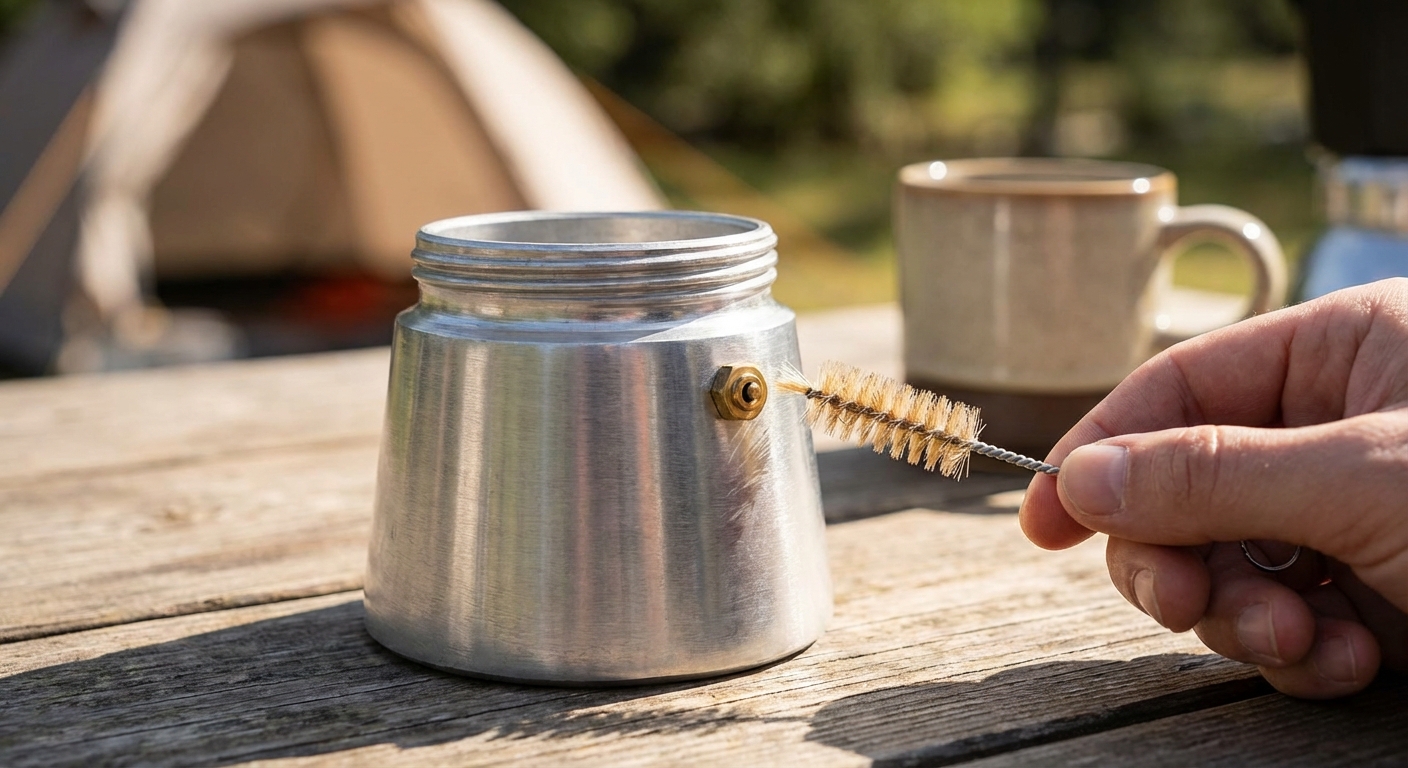
Lastly, ensure the safety valve is clear. Occasionally, coffee fines or mineral deposits from stream water (if you aren't using filtered water) can clog the valve. Push the little ball or pin inside the valve with your finger to ensure it moves freely. If it’s stuck, soak the base in a mixture of vinegar and water when you get back to a basecamp or town. A functional valve is your primary insurance policy when using a moka pot on campfire setups.
FAQ
Can I put an aluminum Moka pot directly on hot coals? It is not recommended to place an aluminum Moka pot directly on hot coals. While aluminum has a high melting point, the intense, concentrated heat of direct coal contact can cause the bottom of the pot to warp or "pit." Furthermore, the heat is often too aggressive, leading to burnt coffee and damaged gaskets. It is much safer and more effective to use a metal grate that holds the pot 2-3 inches above the coals, allowing for better airflow and more even heat distribution.
If you must use coals, try to find a flat stone to place on top of the coals first. This acts as a natural heat diffuser. This method provides a more stable surface and prevents the pot from sinking into the ash, which could block the safety valve or tip the pot over. Always monitor the pot closely, as coals can vary wildly in temperature depending on the wood type used.
What should I do if the handle of my Moka pot starts to melt? If you smell burning plastic or see the handle drooping, immediately remove the pot from the heat using a heat-resistant glove or a pair of tongs. Do not grab the handle itself, as it may be structurally compromised and could break off, spilling boiling coffee on you. Once the pot is safely away from the fire, let it cool completely. You can often still use a Moka pot with a partially melted handle, but you will need to be extra cautious and likely use a "pot gripper" or a rag to handle it in the future.
To prevent this, always ensure the handle is positioned over the "cool" side of the grate, away from the rising heat and flames. If the fire is particularly large, you can create a temporary heat shield using a piece of folded aluminum foil wrapped around the handle. However, the best solution is to manage your fire size so that the flames never extend beyond the base of the Moka pot.
Is it safe to use river or lake water in a Moka pot? While you can use natural water sources, they must be properly filtered or pre-boiled first. A Moka pot does not reach a full, sustained boil for long enough to guaranteed the neutralization of all pathogens like Giardia or Cryptosporidium. Additionally, "hard" water from natural sources contains minerals that can quickly clog the fine mesh filter and the safety valve of your Moka pot.
If you are in the backcountry, filter your water through a 0.1-micron filter first, then pre-boil it in a separate pot before adding it to your Moka pot. This ensures the water is safe to drink and protects your equipment from mineral scale buildup. Always prioritize your health over the convenience of a quick brew.
Why does my coffee taste metallic or burnt when brewed on a campfire? A metallic or burnt taste is usually a sign of overheating. When a Moka pot sits on a fire for too long, the metal itself gets hot enough to scorch the coffee grounds before the water even passes through them. This is especially common with aluminum pots. To fix this, use the pre-boiled water method mentioned earlier to minimize the "fire time."
If the taste is metallic, it may be because the pot is new and hasn't been "seasoned," or because it was cleaned with harsh abrasives that stripped the protective oxidation layer. If the taste is burnt, try moving the pot further away from the center of the fire or using a heat diffuser. Remember, the goal is a gentle simmer, not a violent boil.
How do I know when the coffee is done without a clear lid? Since most Moka pots have metal lids, you should brew with the lid open to monitor the progress. You will know the coffee is done when the stream of liquid coming out of the center column turns from a dark, rich brown to a light, translucent yellow (the "honey" phase) and starts to sputter. This sputtering sound, often called the "gurgle," is the signal to remove the pot from the heat immediately.
Closing the lid is only necessary for the final few seconds to prevent any stray splatters from hitting you. If you wait until the gurgling stops completely, you have waited too long, and the resulting coffee will likely be bitter and over-extracted. Practice at home a few times to get a feel for the visual cues and sounds of a perfect brew.
Our Top Picks for 2026
We've spent hours researching and testing to find the absolute best options currently available.
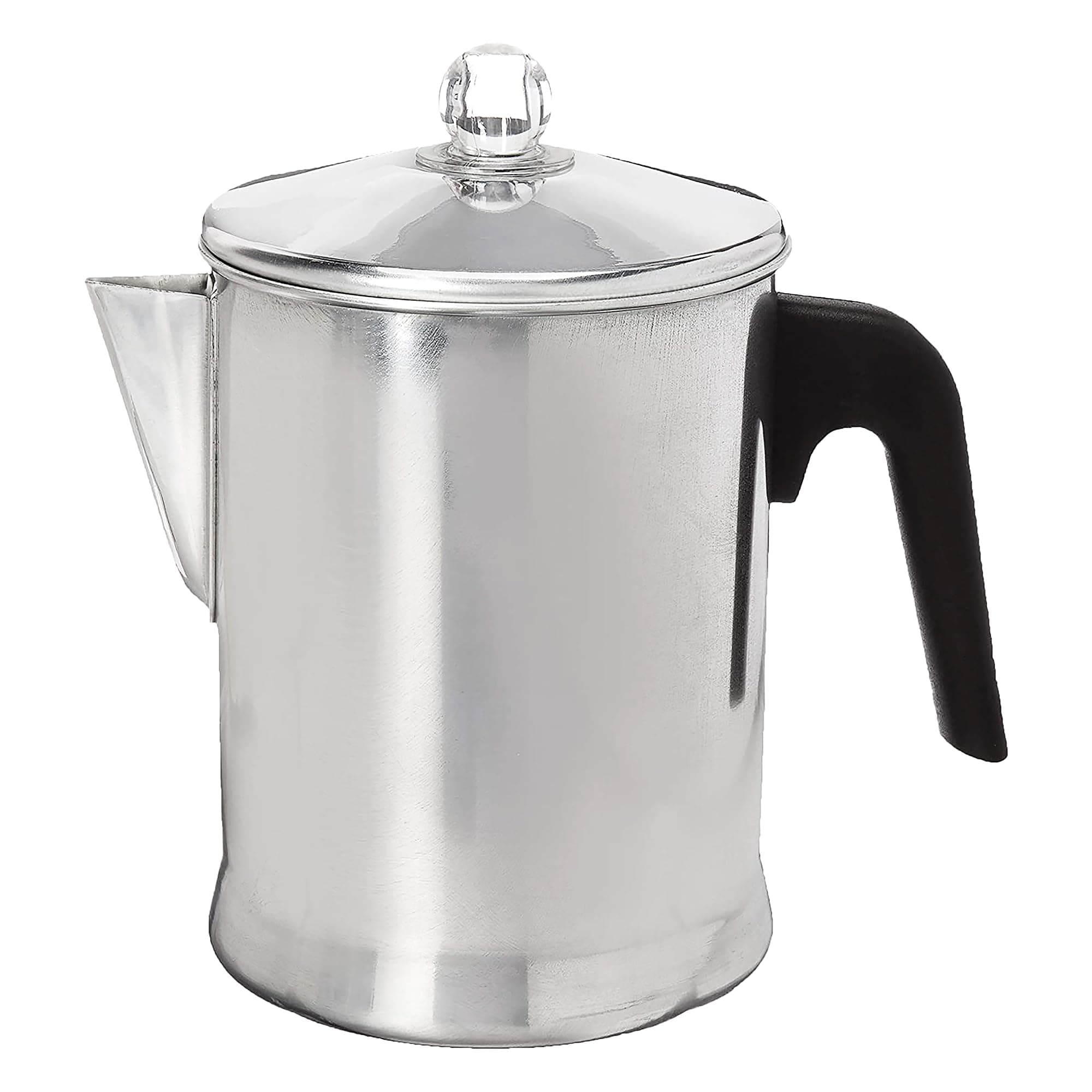
Primula Today Aluminum Stove Top Percolator Maker Durable, Brew Coffee On Stovetop, 9 Cup, Silver
- Note: 1)Too coarse a grind, too little coffee, or insufficiently tamping the grounds before brewing can all lead to inadequate pressure for a proper brew. 2)It is important to note that the amount of espresso extracted will vary depending on the grind size and amount and reprogramming may be needed when the size and amount are adjusted
- BETTER BREWING - Primula’s 9-cup Coffee Percolator is compact, easy to use, and delivers nine (9) cups of rich, smooth Coffee in one pot. Perfect for everyday use and for large gatherings at home or around the campfire.
- EASY TO USE- Simply fill the lower chamber with water, Fill the filter with ground coffee, and place on stovetop. Within minutes, delicious, bubbling cups of coffee will fill your pot. Remove from heat and enjoy.

Multi Use Percolator Coffee Pot Stainless Steel Stove Top Coffee Maker with Two Tough Borosilicate Glass Knob Silica Handle Camping Coffee Pot Using on Campfire Stove & Induction Cooker Silver 6 Cup Blue-6 Cup
- 【NO ALUMINUM OR PLASTIC】 The percolator coffee pot body, cover and filter basket are made of quality 18/8 (SS304) stainless steel, which allows it to withstand drops and impacts during use. No aluminum and plastic, toxin free and corrosion-resistant. It is easy to clean and maintain and will last for years.
- 【COMPACT AND PORTABLE】 This camping coffee pot can hold up to 6 cups of coffee. The compact structure makes the coffee pot very easy to carry. Whether camping or enjoying coffee at home, this coffee percolator is always at your service.
- 【EASY TO USE】 This coffee pot features a drip-free spout and wide hinged lid, making it very easy and safe to use. The blue silica gel handle provides a comfortable grip and stays cool to the touch for easy pouring.
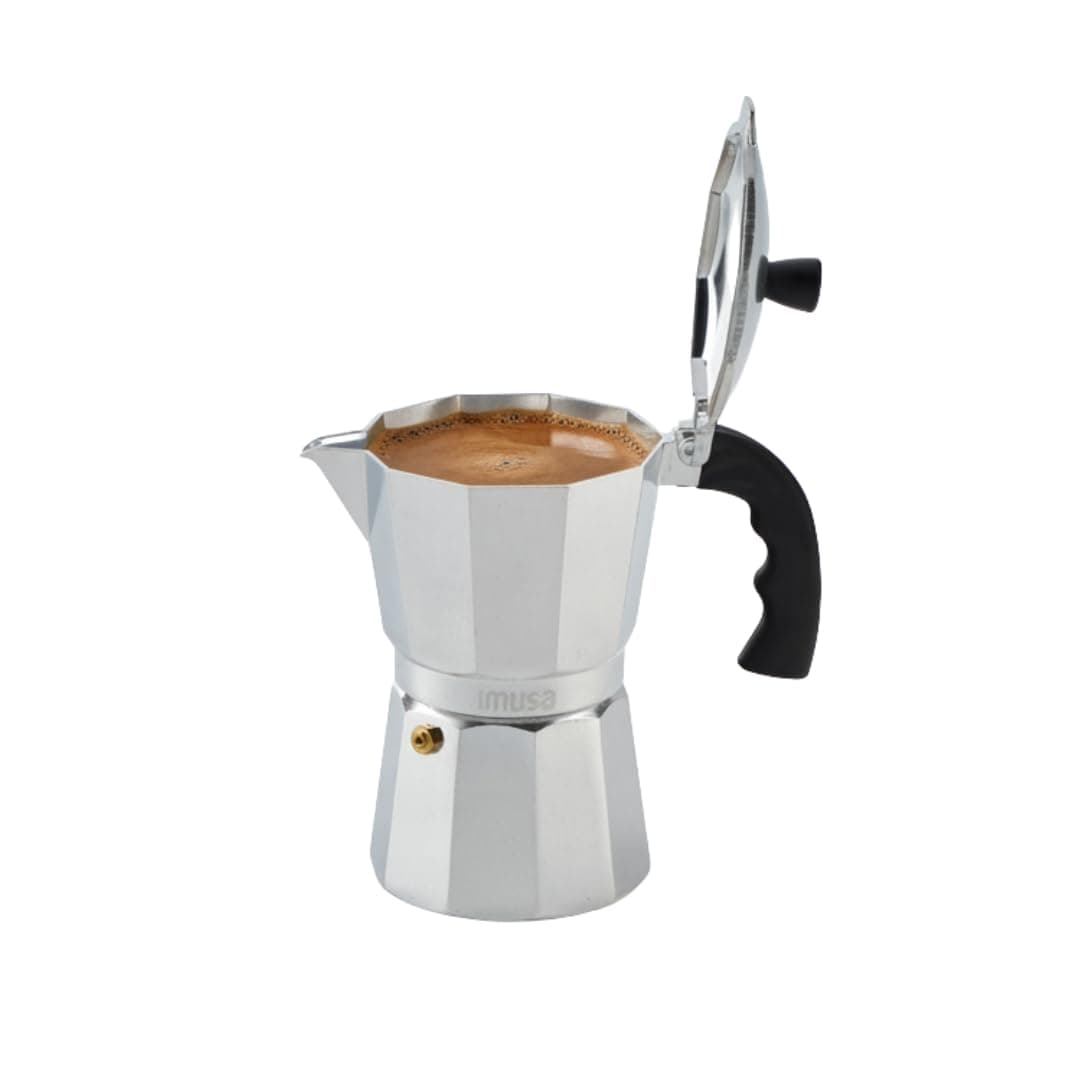
Imusa USA Aluminum Stovetop 6-cup Espresso Maker (B120-43V), Silver Aluminum 6 Cup
- Note: 1)Too coarse a grind, too little coffee, or insufficiently tamping the grounds before brewing can all lead to inadequate pressure for a proper brew. 2)It is important to note that the amount of espresso extracted will vary depending on the grind size and amount and reprogramming may be needed when the size and amount are adjusted
- Made with Durable Aluminum that Keeps Coffee Warm
- 6-Cup Capacity with Cool Touch Handle and Knob for Easy Handling